~ A Comprehensive Guide to CNC Machinable Aluminium Alloys ~
The selection of materials plays a very important role in determining the success of any manufacturing project.
CNC machining has revolutionized the manufacturing industry by providing precision and versatility in the production of various components and products. Needless to say, the selection of materials plays a very important role in determining the success of a project.
Among the wide range of materials available, aluminium alloys stand out as a popular choice due to their lightweight, excellent machinability, and a myriad of desirable properties when it comes to manufacturing. However, not all aluminium alloys are created equal, and the choice of which alloy to use can significantly impact the outcome of a project.
If you are interested in learning more about the various types of aluminium alloys and their applications when it comes to CNC machining, you have come to the right page! In this comprehensive guide, we delve into the world of CNC machinable aluminium alloys, dissecting their characteristics, and exploring how they are selected for different applications. Whether you're an engineer, designer, or simply curious about the intricacies of material selection in CNC machining, this article will provide valuable insights into the considerations and decisions that go into choosing the right aluminium alloy for the job.
Understanding Aluminium Alloys
Before we dive into the specifics of CNC machinable aluminium alloys, it's essential to grasp the fundamentals of aluminium as a material and the role of alloying elements in shaping its properties. aluminium is a lightweight, corrosion-resistant metal with excellent thermal conductivity. It's widely used in various industries, including aerospace, automotive, and construction. However, the pure form of aluminium is relatively soft and lacks the strength required for many industrial applications.
To enhance its properties, aluminium is often alloyed with other elements. These alloying elements, such as copper, zinc, magnesium, and silicon, are added in varying proportions to create aluminium alloys. The choice of alloying elements and their concentrations influences the alloy's mechanical, thermal, and chemical properties.
aluminium alloys are typically classified into two main categories: heat-treatable and non-heat treatable. Heat-treatable alloys gain strength through heat treatment processes, while non-heat treatable alloys rely on cold working and mechanical processes to achieve desired properties. This classification forms the foundation for understanding how different aluminium alloys behave during CNC machining.
CNC Machining and Aluminium Alloys
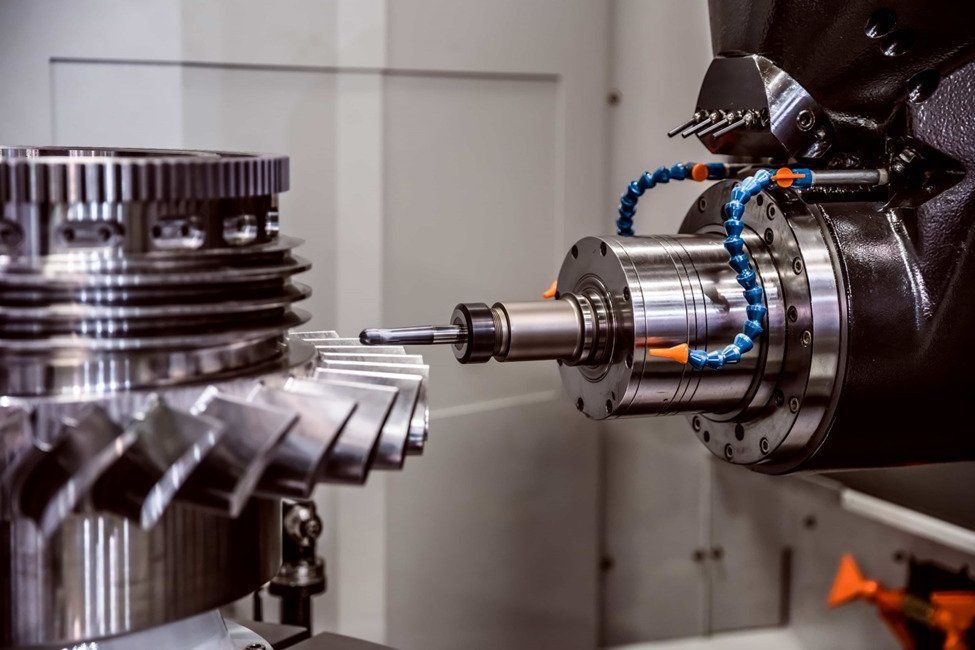
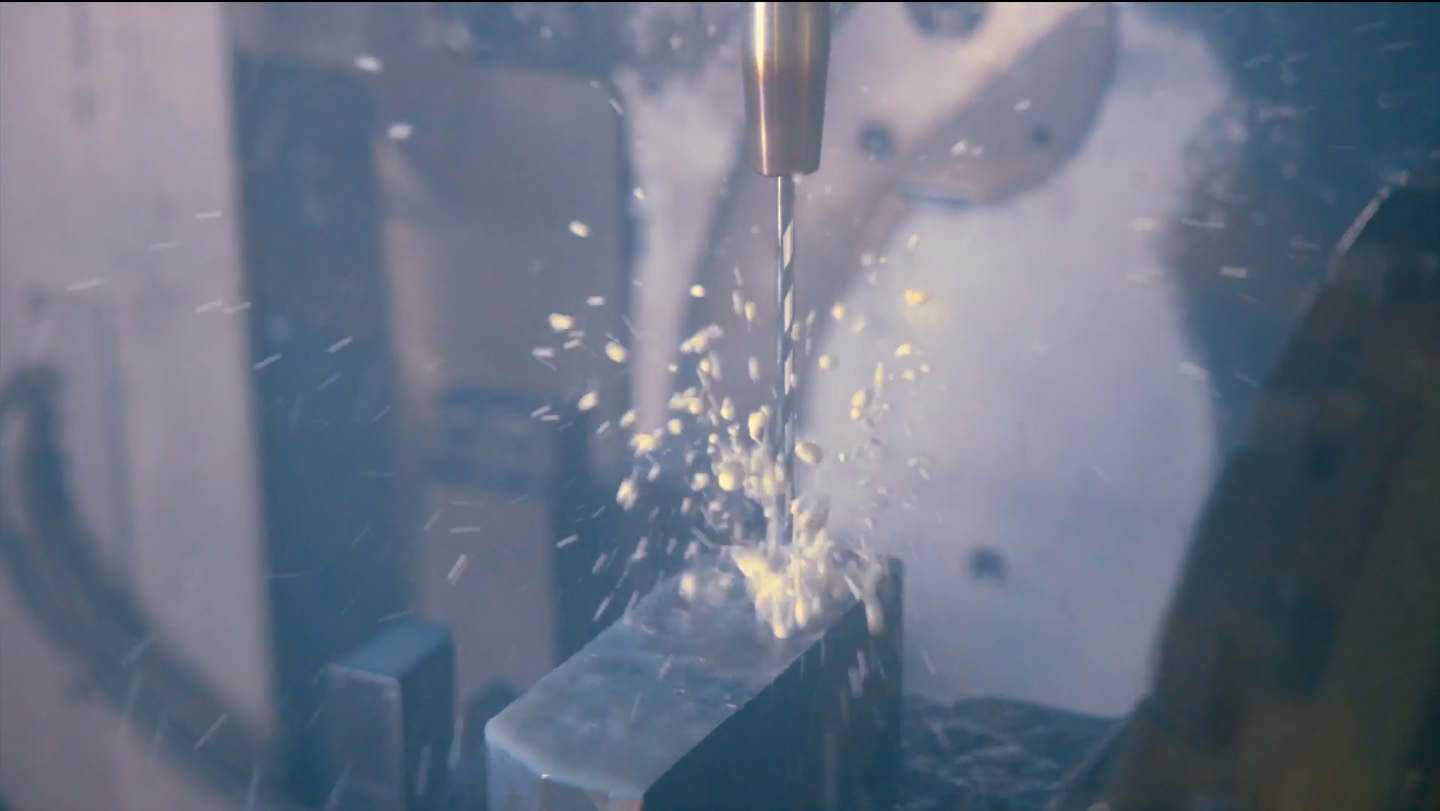
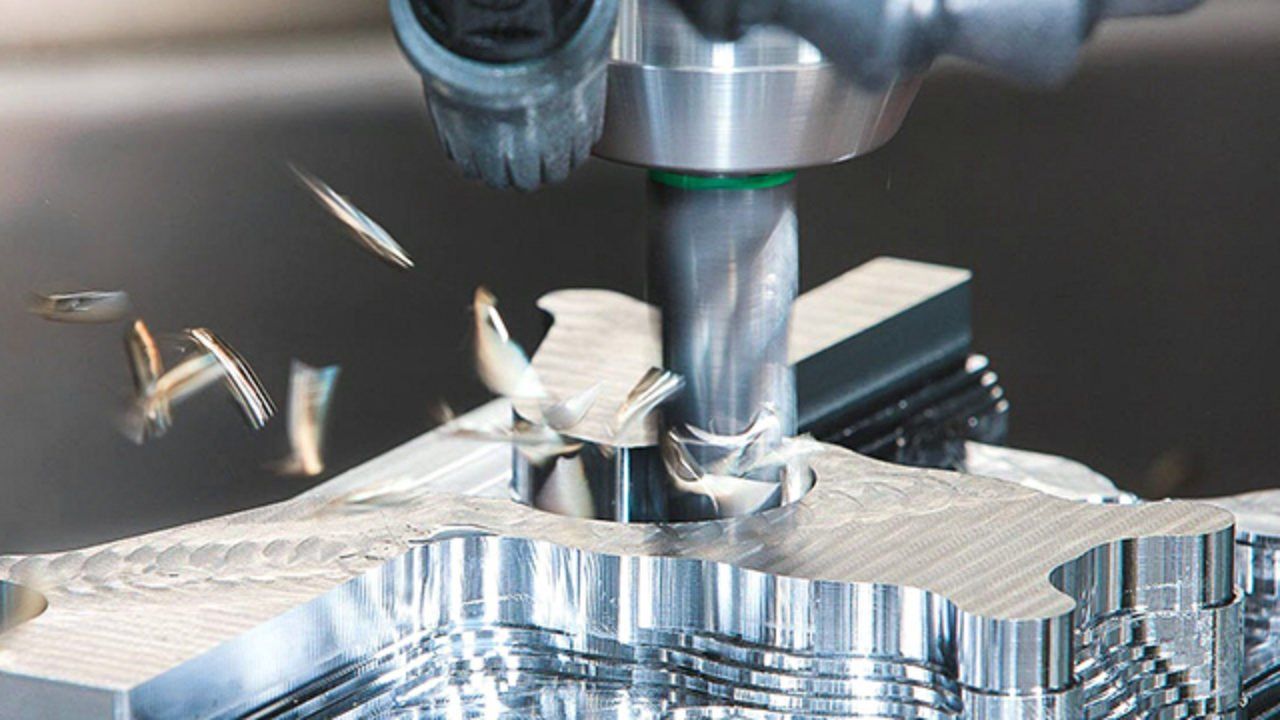
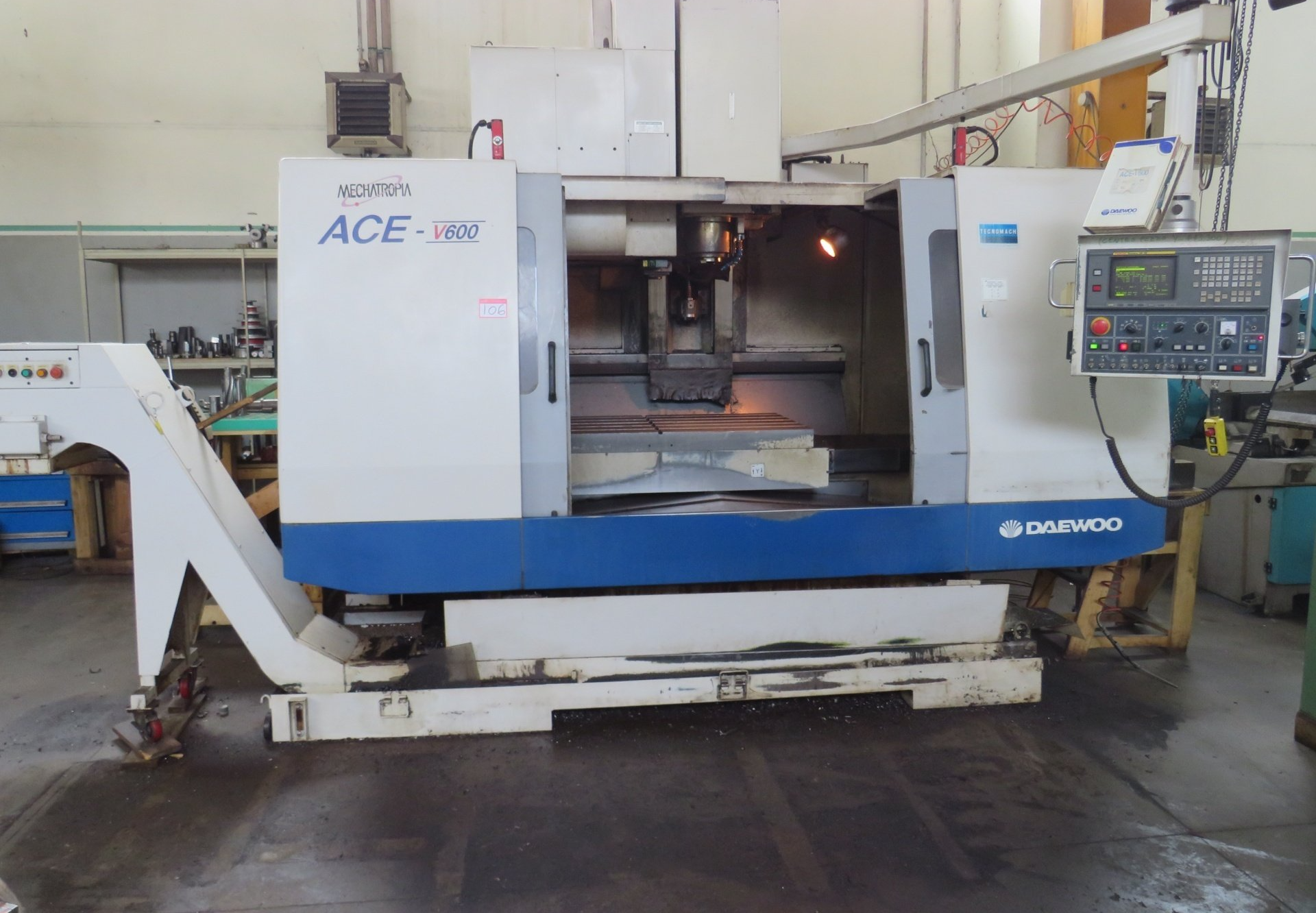
CNC machining, short for Computer Numerical Control machining, is a precise and automated manufacturing process that involves the removal of material from a workpiece using computer-controlled tools. It encompasses a wide range of machining operations, such as milling, turning, drilling, and more. CNC machining is prized for its accuracy, repeatability, and ability to create complex shapes and intricate features.
When it comes to CNC machining, the choice of material is critical. aluminium alloys are a popular choice for many machining applications due to their favourable properties. They are known for being lightweight, corrosion-resistant, and conducive to high-speed machining operations. However, not all aluminium alloys are created equal in terms of machinability.
Machinability refers to how easily a material can be cut, shaped, and finished using machining processes. In the context of CNC machining, machinability encompasses factors like tool wear, chip formation, surface finish, and cutting forces. Different aluminium alloys exhibit varying degrees of machinability, and these differences are crucial for engineers and machinists to consider when selecting the most suitable alloy for a given project.
In the following sections, we will delve deeper into the specific aluminium alloys commonly used in CNC machining, their properties, applications, and machinability characteristics, to help you make informed decisions when choosing the right alloy for your CNC machining project.
Common Aluminium Alloys Used for CNC Machining
When it comes to CNC machining, several aluminium alloys are frequently chosen for their unique properties and versatility. These alloys can be broadly categorized into two groups: non-heat treatable alloys and heat-treatable alloys. Let's explore some key alloys in each category:
Non-Heat Treatable Alloys
3003 Aluminium Alloy
Composition and Properties: 3003 is a non-heat treatable alloy primarily composed of aluminium with small additions of manganese. It offers excellent corrosion resistance and is often used in applications where exposure to moisture is a concern. 3003 is known for its formability and weldability.
Typical Applications: This alloy finds its place in the manufacturing of heat exchangers, food containers, and chemical equipment. Its resistance to corrosion makes it suitable for marine and architectural applications.
Machinability: 3003 aluminium alloy machines well due to its softness and formability. It produces small, manageable chips and is generally considered easy to work with in CNC machining processes.
5052 Aluminium Alloy
Composition and Properties: 5052 is another non-heat treatable alloy. It contains magnesium and chromium as alloying elements, which enhance its strength and corrosion resistance. 5052 is known for its good weldability and formability.
Typical Applications: This alloy is commonly used in the construction of fuel tanks, marine components, and architectural structures. Its ability to withstand harsh environments makes it a popular choice for outdoor applications.
Machinability: 5052 aluminium alloy exhibits favourable machinability characteristics, producing small chips and offering good surface finishes in CNC machining.
Heat Treatable Alloys
6061 Aluminium Alloy
Composition and Properties: 6061 is a versatile heat-treatable alloy that contains magnesium and silicon. It offers excellent strength-to-weight ratio, corrosion resistance, and weldability. 6061 is one of the most widely used aluminium alloys in CNC machining.
Typical Applications: Aerospace components, automotive parts, and bicycle frames are some of the numerous applications where 6061 is found. Its combination of strength and machinability makes it a top choice.
Machinability: 6061 aluminium alloy machines well with the right tools and techniques. It is often used in CNC machining for its excellent balance between strength and workability.
7075 Aluminium Alloy
Composition and Properties: 7075 is a high-strength heat-treatable alloy with zinc as its primary alloying element. It offers exceptional strength and durability, making it ideal for demanding applications.
Typical Applications: This alloy is commonly used in the aerospace industry for aircraft components, as well as in high-performance sports equipment like bicycle frames and rock climbing gear.
Machinability: While 7075 aluminium alloy offers outstanding mechanical properties, it can be more challenging to machine due to its hardness. Specialized tooling and techniques are often required for successful CNC machining.
2024 Aluminium Alloy
Composition and Properties: 2024 is another heat-treatable alloy known for its high strength. It contains copper as its primary alloying element, which contributes to its excellent machinability.
Typical Applications: Aerospace structures, aircraft fuselages, and high-stress structural components are common applications for 2024 due to its strength and fatigue resistance.
Machinability: 2024 aluminium alloy is favoured for CNC machining due to its good machinability. It produces manageable chips and offers a reasonable balance between strength and ease of machining.
Selecting the Right Aluminium Alloy
Selecting the appropriate aluminium alloy for a CNC machining project involves a thoughtful consideration of various factors. These factors not only impact the machining process but also the performance of the final product. Here are some key considerations when choosing the right aluminium alloy:
Material Strength: Determine the required strength and durability of the component. Heat-treatable alloys like 6061 or 7075 are suitable for high-stress applications, while non-heat treatable alloys like 3003 are better for lightweight, less demanding uses.
Corrosion Resistance: Assess the environment in which the component will operate. Non-heat treatable alloys like 3003 and 5052 excel in corrosion resistance, making them suitable for marine or outdoor applications.
Thermal Properties: Consider the thermal conductivity of the alloy, especially for applications where heat dissipation is essential. Alloys like 6061 are known for their excellent thermal conductivity.
Cost Considerations: Evaluate the budget for the project, as different alloys come with varying price tags. Balancing cost with performance is crucial in the selection process.
Machining Techniques for Different Alloys
Achieving precision and efficiency in CNC machining requires an understanding of the distinct machining techniques required for different aluminium alloys. The choice of tooling, cutting parameters, and machining strategies can greatly influence the outcome of a project. Let's delve into the key considerations for machining various aluminium alloys:
Tooling Considerations
Selecting the right cutting tools is crucial for successful CNC machining. The choice of tool material, geometry, and coatings depends on the specific aluminium alloy being machined:
Tool Material: For non-heat treatable alloys like 3003 and 5052, high-speed steel (HSS) or carbide tools are often preferred due to their wear resistance. Heat-treatable alloys like 6061, 7075, and 2024 benefit from carbide tools, which can withstand higher cutting forces.
Tool Geometry: Proper tool geometry, including flute design and rake angles, should be selected to optimise chip formation and reduce cutting forces.
Tool Coatings: Coated tools, such as TiN (Titanium Nitride) or TiAlN (Titanium Aluminium Nitride), can enhance tool life and performance by reducing friction and heat buildup.
Speeds and Feeds
Determining the appropriate cutting speeds (RPM) and feed rates (IPM or mm/min) is critical for efficient machining. Different aluminium alloys have varying machinability characteristics, which influence the optimal cutting parameters:
Non-Heat Treatable Alloys: Alloys like 3003 and 5052 are relatively easy to machine and can tolerate higher cutting speeds and feeds.
Heat Treatable Alloys: 6061, 7075, and 2024 require more careful consideration of cutting speeds and feeds due to their varying hardness levels. Lower speeds and feeds may be necessary to avoid excessive tool wear and heat generation.
Surface Finish and Tolerance Requirements
The desired surface finish and dimensional tolerances of the final part should guide the machining process. Finer finishes and tighter tolerances may necessitate slower cutting speeds and precise toolpath control. Non-heat treatable alloys often achieve excellent surface finishes, while heat-treatable alloys may require additional steps to achieve the desired results.
Lubrication and Cooling
Proper lubrication and cooling are essential for preventing tool wear and thermal damage during CNC machining. Water-soluble coolants or cutting fluids are commonly used to dissipate heat and extend tool life. The choice of coolant should consider factors such as alloy type, tool material, and machining conditions.
Challenges and Limitations
While aluminium alloys offer numerous advantages in CNC machining, it's essential to be aware of potential challenges and limitations:
Alloys Unsuitable for CNC Machining
Some aluminium alloys are not well-suited for CNC machining due to their low machinability or unique properties. Examples include high-silicon alloys (e.g., 4000 series) and specialized alloys with high electrical conductivity (e.g., 6063). These alloys may require alternative manufacturing processes.
Environmental Considerations
Aluminium machining generates aluminium dust and chips, which can pose health and safety risks if not properly managed. Adequate ventilation, dust collection systems, and recycling measures should be in place to address these concerns.
Cost vs. Performance Trade-offs
Balancing cost-effectiveness with performance is a critical consideration in alloy selection and machining. High-performance alloys like 7075 may offer superior mechanical properties but come at a higher cost. Engineers and manufacturers must weigh these factors to optimise project outcomes.
Advancements in CNC Machining of Aluminium Alloys
CNC machining techniques for aluminium alloys continue to evolve, driven by advances in tooling, technology, and process optimization. Here are a few noteworthy developments:
High-Speed Machining
High-speed machining (HSM) techniques have gained popularity in aluminium alloy machining. HSM involves increased cutting speeds and feeds, leading to shorter cycle times and improved productivity. However, it requires specialised equipment and tooling to manage the elevated forces and temperatures generated.
Cutting-edge Tooling and Technologies
Ongoing research and development efforts have led to the creation of advanced cutting tools and coatings designed specifically for aluminium alloys. These tools offer extended tool life, improved surface finishes, and enhanced machining efficiency.
Final Thoughts
As CNC machining technology continues to advance, it opens up new possibilities for working with aluminium alloys efficiently and cost-effectively. A deep understanding of aluminium alloys and their machining intricacies will empower you to produce high-quality products that meet the demands of modern manufacturing.
At Rotec, we specialize in complex CNC machining and possess the expertise to navigate the intricacies of aluminium alloy selection, machining techniques, and advanced technologies. Whether you're embarking on a groundbreaking aerospace project, seeking high-performance automotive components, or envisioning innovative solutions in any industry, our commitment to precision and excellence remains unwavering.
To learn more about our manufacturing capabilities or to discuss your project requirements, contact us at
01386 424111 or
sales@rotec-ltd.com. Our team of experts is here to assist you in making the right choice for your CNC machining needs.