~ Sliding Head vs Fixed Head Turning: Which Is Right for Your Part? ~
Key Highlights
- Sliding head supports bar stock near the cut, helping CNC turning hold tight tolerances on slender parts.
- Fixed head suits a broad range of simpler or larger components and can lower cost per part.
- Part length-to-diameter ratio is one of the main factors in choosing between the two processes.
- Sliding head often reduces secondary operations by combining several processes in one setup.
- A fixed head can be a strong fit for short and long batch runs, especially high-mix work.
- Rotec offers both processes in an automated facility with CMM inspection support.
Introduction
If you are comparing sliding head vs fixed head turning, you are already at the stage where part fit matters more than labels. Both are proven CNC turning methods, but they solve different production problems. A sliding head is often chosen for small, detailed precision components, while a fixed head can be the better route for larger or less demanding forms. The right choice depends on geometry, tolerance, cycle time, and batch size. The next sections break that down clearly.
Sliding Head vs Fixed Head Turning—Key Differences Explained
New Paragraph

The main difference between these head lathes is support at the cutting point. In sliding head CNC turning, the bar stock passes through a guide bush near the tool. In fixed head machining, the work is held at one end in a fixed position.
That change affects stability, part behavior, and process choice. Sliding head is usually better for small, slender parts with tight tolerances. Fixed head often suits larger diameters, simpler shapes, and jobs where faster changeovers or wider application flexibility matter. The next three sections explain those differences in practical terms.
Guide Bush Support and Bar-Fed Material
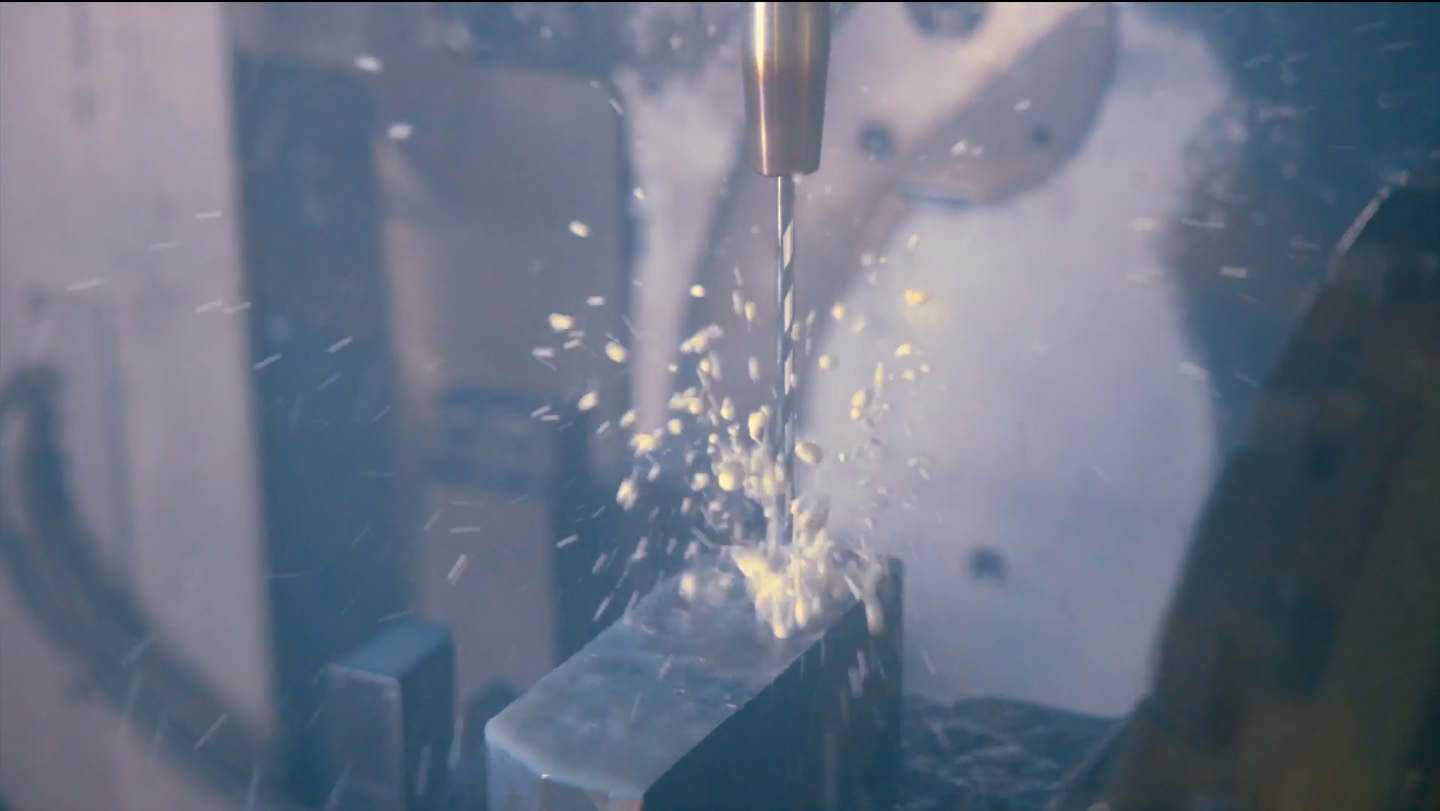
A guide bush is the defining feature of sliding head machines. It supports the rotating bar stock very close to the tool, so the section being cut behaves like a short, rigid piece rather than a long, flexible bar. That improves control where accuracy matters.
In a fixed head setup, the material is held back in the chuck, and the tool works along the exposed section. For many parts, that is completely suitable. Still, when the component is narrow or feature-heavy, the extra unsupported length can make control harder than on guide bushing systems.
Bar feed also changes the production flow. Sliding head machines are built around bar-fed material and steady automatic bar movement through the work zone. That is one reason they are widely used for repeat precision work. Fixed head machines can still be highly capable, but their support method suits different part behavior.
Part Length-to-Diameter Ratio in Machining
Part length-to-diameter ratio is one of the simplest ways to decide between these processes. If your design is long in relation to its mm diameter, a sliding head usually offers better support. That is why it is often selected for slender parts, slender components, and precision shafts.
The reason is mechanical. A narrow part with significant length is more likely to deflect when unsupported. Sliding head reduces that risk because the support point sits close to the cut. This helps protect part features, concentricity, and surface consistency during machining.
Can fixed head lathes machine long, thin parts? In some cases, yes, but they are generally less suited to that geometry than a sliding head. If your drawing shows a high length-to-diameter ratio, that is a strong sign to review Swiss-type turning first before choosing a conventional approach.
Cycle Times and Batch Size Considerations
Cycle times depend on how much work can be done without moving the part. Sliding head often wins on complex parts because live tooling and sub-spindle work can combine several operations in a single setup. That can reduce waiting, handling, and alignment risk.
Fixed head can still be the smarter choice for low-volume, high-mix work, especially where parts are simpler or changeovers need to be quick. It also supports short and long batch runs, giving you wider flexibility across a varied production schedule.
Key decision points include:
- Sliding head often suits repeat work where setup time is spread across a larger batch size.
- Fixed head can be efficient for lower-volume jobs with less need for process consolidation.
- The more a part benefits from high-precision features in one cycle, the more the sliding head tends to help.
Understanding Sliding Head CNC Turning
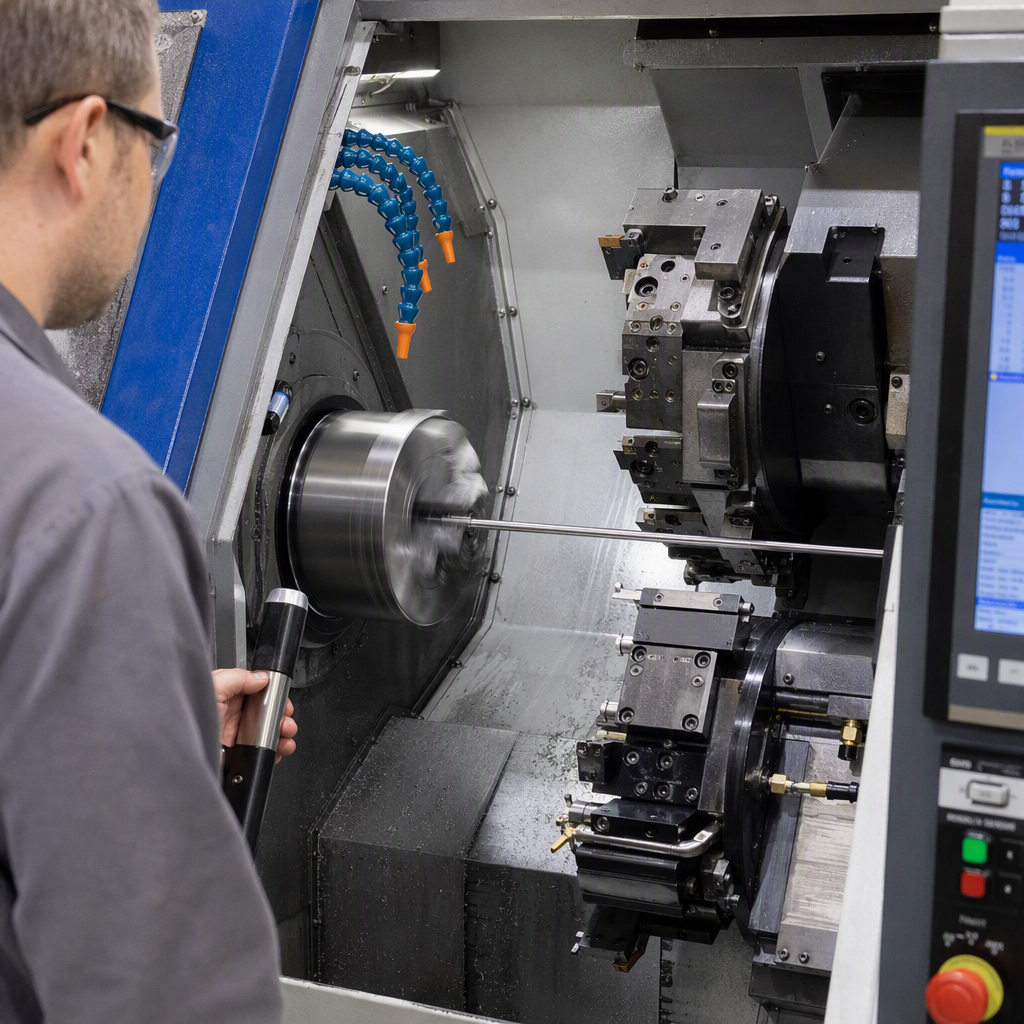
Sliding head CNC turning, often called Swiss machining, is designed around control of small bar-fed work. The sliding headstock moves the material through the cutting zone while tools stay close to the support point. That basic arrangement is what makes it different from a fixed head.
For your part, the benefit is stability. Better support can mean less vibration, better repeatability, and fewer extra operations. Bar feeding also supports longer unattended running. To see where this process fits, it helps to define Swiss-type turning first and then look at its broader capability.
Swiss-Type Turning Defined
Swiss machining is another name for sliding head turning. A sliding head lathe feeds bar material through a guide bush near the tool, while the main spindle controls rotation and feed. That layout gives much better support than a standard fixed head arrangement for small, narrow work.
In precision machining, that support matters because the material is less likely to bend or chatter during the cut. As a result, Swiss-type turning is widely used for parts that need close dimensional control, repeatability, and fine detail in compact forms.
Compared with fixed head turning, the difference is not quality versus quality. It is suitability versus suitability. Swiss machining is usually stronger on long, thin, or highly detailed small components. Fixed head remains valuable for larger diameters, broader part types, and jobs where setup speed or simpler geometry matters more.
Multi-Axis Machining: Capabilities and Processes
Modern sliding head machines do far more than plain turning. With strong CNC control, they can machine front-end and back-end features within one cycle. That is a major advantage when your component has several surfaces, holes, grooves, or threads that need accurate positional control.
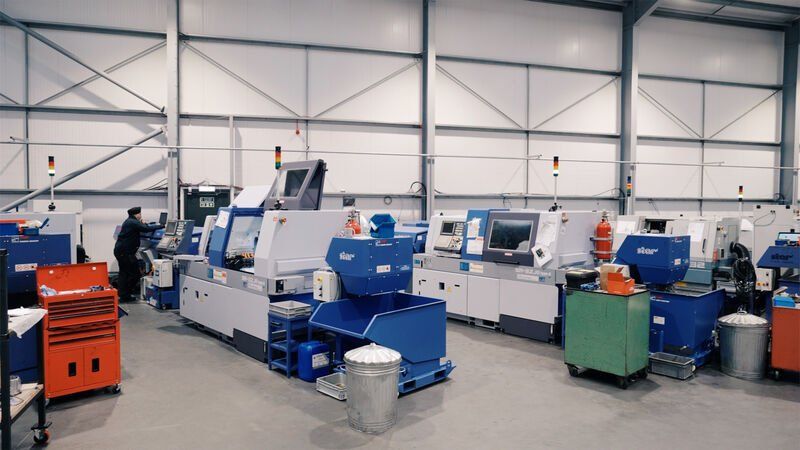
Rotec’s sliding head capability includes up to 39 machining positions across 8 axes, often allowing a part to be completed in one setup. The fleet includes Star sliding head machines and the SR-32JIII Type B, a twin-spindle, 3-turret machine with 36 driven tools, 72 turning tools, and automatic bar feed up to 42 mm diameter.
This supports processes such as
- Turning, drilling, and milling with live tooling
- Grooving, boring, and screw-cutting in one controlled cycle
- Cross-drilling and back-working on complex components with complex features
Best Practices for Sliding Head Machining Techniques
Good sliding head work starts long before the first cut. Material quality, guide bush setup, tooling choice, and program sequence all affect accuracy. Because the process relies on supported bar stock, consistency in raw material has a direct effect on part stability and finish.
You also need stable bar feeders and close process control through the run. Small shifts in setup can affect tool life, part size, and repeat output very quickly. That is why experienced planning matters when parts are narrow, detailed, or run in volume.
Useful best practices include:
- Use bar stock with consistent diameter and straightness to reduce variation and material waste.
- Set the guide bush correctly to protect tool life and support exceptional accuracy.
Monitor wear and prove out the cycle carefully before unattended production runs.
What Is Fixed Head CNC Turning?
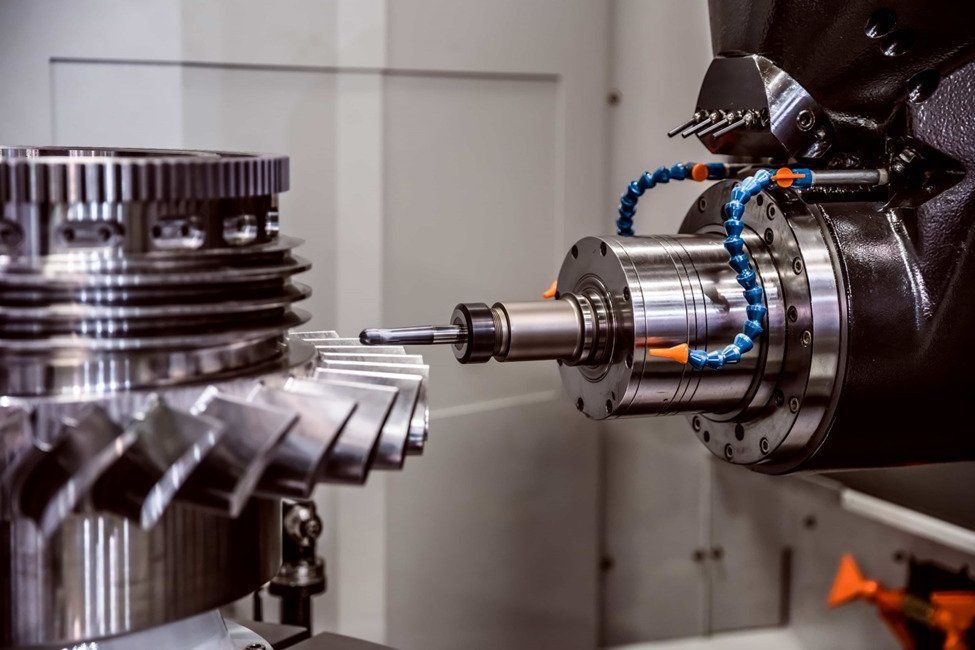
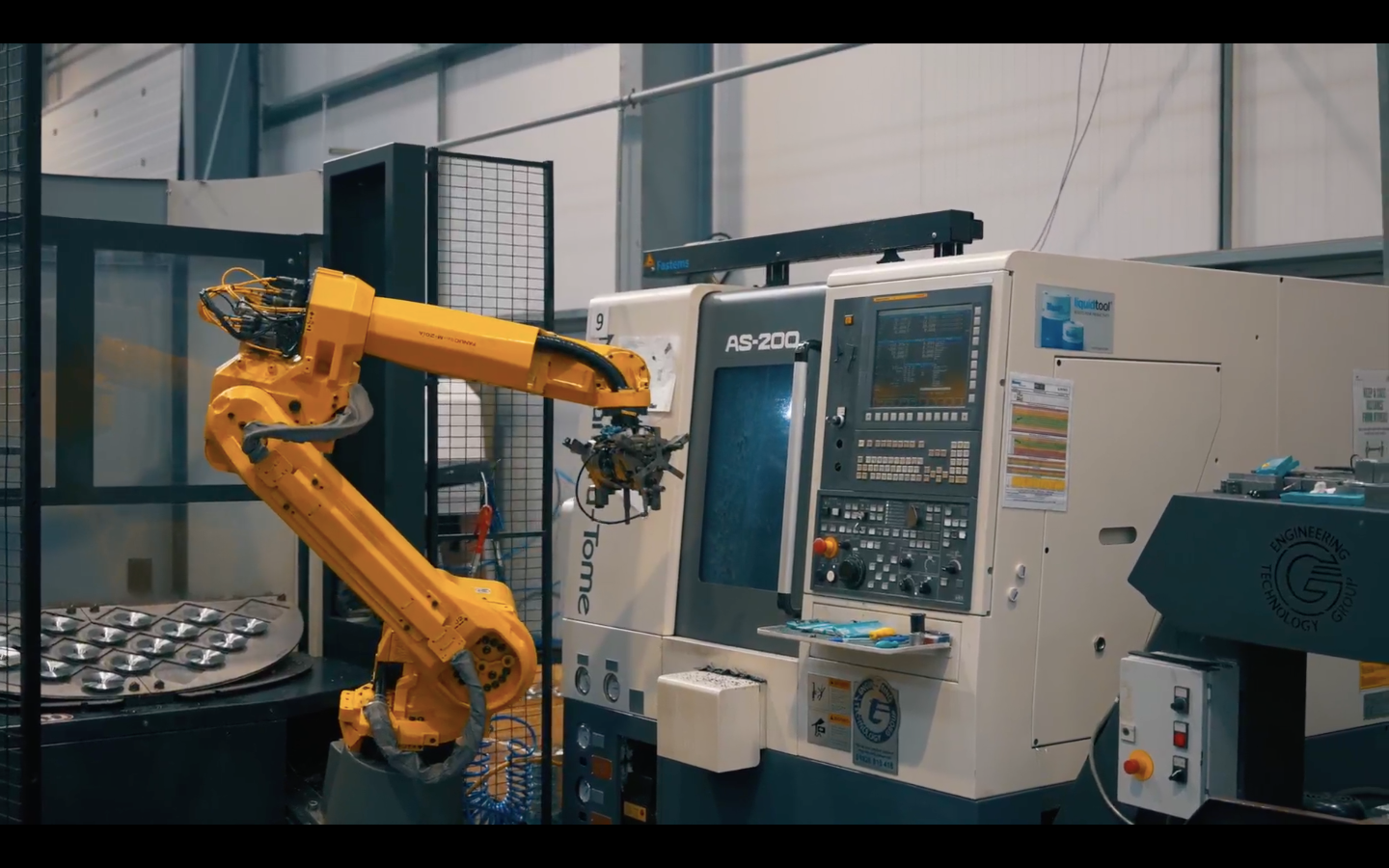
Fixed head CNC turning uses a conventional lathe layout where the workpiece is held in a fixed position and the tool moves along the exposed material. It is one of the most common head CNC lathes setups in precision manufacturing and covers a broad range of turning work.
This process remains highly useful because it is flexible. It can suit simple or more involved shapes, support short and long batch runs, and often lower cost per part on larger or less slender components. To choose well, you need to understand where fixed head performs best.
Conventional Lathe Features and Applications
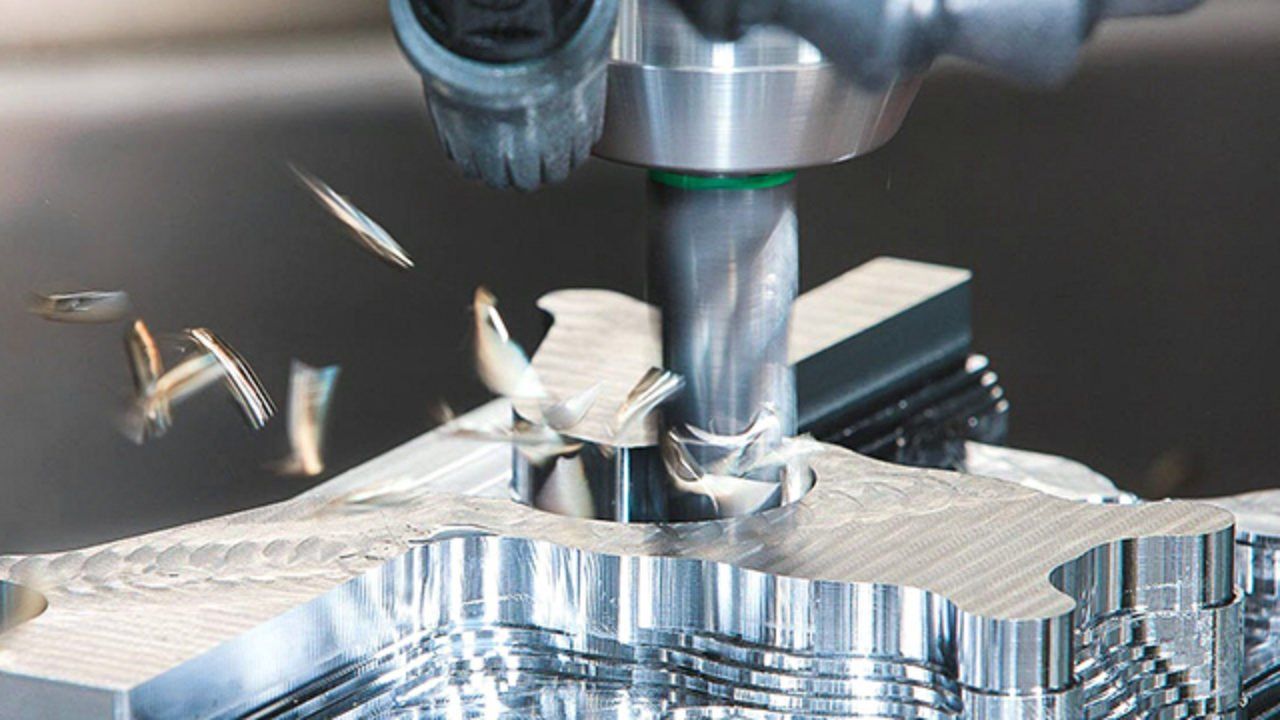
Conventional lathes and modern fixed-head CNC machines hold the part in a fixed position while the cutting tool machines the external or internal features. This simple arrangement gives them a broad range of applications across general turned parts, from straightforward shapes to more developed forms.
That flexibility matters when your parts vary from order to order. Fixed head turning can support a range of materials and a wide mix of jobs without relying on the same guide-bush-based setup logic as a sliding head. For many buyers, that makes it a practical production route.
Fixed head can also be efficient for lower volume, high mix requirements. When the part geometry does not need close support near the cut, a fixed head process may offer a faster and more economical route. Rotec supports this with continual investment in turning and mill/turn technology.
Handling Complex and Simple Part Geometries
Fixed head turning is not only for simple parts. It can machine simple parts, detailed parts, and many complex parts, depending on the size, feature layout, and process plan. Its strength is wider application flexibility across different geometries, especially where extreme slenderness is not the issue.
For shorter or larger-diameter components, a fixed head can often provide a strong balance of capability and cost. It may also lower the cost per part where the design does not justify the added setup logic of sliding head. That makes it attractive for a broad mix of standard production work.
So how do you decide? Start with size and geometry. If your part is compact but not especially long and thin, a fixed head may be enough. If the drawing calls for unstable narrow sections, dense features, or difficult surface finish control on slender areas, a sliding head is more likely to be the better option.
Efficiency for Low Volume or High Mix Production
For many subcontract machining programs, a fixed head is a sensible choice for high-mix work. It handles varied job schedules well and can support both short and long batch size requirements. If your parts change often, this can reduce production friction without compromising part quality.
That does not mean sliding head has no place in smaller runs. If a component needs several operations completed in one cycle, the process savings may still justify it. The decision comes down to geometry, feature density, and whether reduced secondary operations offset setup demands.
| Criteria | Fixed Head Turning | Sliding Head Turning |
|---|---|---|
| Best fit | Broader, mixed job work | Small, slender, repeat work |
| Batch size | Short and long runs | Prototype to high volume |
| High mix suitability | Often strong | Better when geometry demands it |
| Secondary operations | Maybe higher depending on the part | Often reduced through one-cycle processing |
| Tool life and stability | Good on suitable geometries | Strong on supported narrow parts |
| Part quality driver | Process flexibility | Support near the cutting zone |
When Should You Choose Sliding Head vs Fixed Head Turning?
Choose a sliding head when the part is small, long relative to the diameter, and full of features that need support close to the cut. Choose a fixed head when the component is larger, less slender, or better suited to a more flexible general CNC machining route.
In precision engineering, there is no universal winner. The best CNC machine is the one that matches your drawing with the least waste, risk, and handling. The next two sections turn that into a practical checklist, then compare the most important design factors side by side.
Choosing a CNC Lathe Process for Your Part
If you are choosing a CNC lathe process, begin with support, feature count, and run pattern. A part that needs the main spindle to feed narrow bar material through a support point is a natural sliding head candidate. A part that sits comfortably in a fixed chuck may not need that approach.
Then look at what the drawing demands. Precision components with close positional needs, multiple turned and milled features, and tight tolerances often benefit from a sliding head. Larger or simpler parts can be more cost-effective on fixed head, especially when changeovers matter.
A simple selection checklist is
- Choose a sliding head for small parts made from an automatic bar where support near the cut is critical.
- Choose a fixed head for larger, less slender, or simpler turned forms.
- Review the number of operations needed before deciding, not just the machine label.
Part Size, Tolerance, and Complexity Factors
Part size is one of the clearest filters. Rotec’s sliding head capability covers components from as small as 1 mm diameter up to 50 mm diameter, depending on the machine and application. That makes it highly useful for compact parts where bar diameter and support are critical to machining stability.
Tolerance comes next. A sliding head is often selected where tighter tolerances are needed on long, small, or delicate sections. The guide-bushed layout helps hold control where unsupported material would otherwise move. That is especially helpful for intricate parts with several features in a limited space.
Complexity is the third factor. The types of parts best suited for sliding head CNC turning are typically small, narrow, and feature-dense. Think of precision shafts, pins, fittings, connectors, and other complex components where one-machine processing can reduce transfers and improve consistency.
Conclusion
In conclusion, choosing between sliding head and fixed head turning ultimately depends on your specific part requirements. Sliding head turning excels in producing small, complex components with high precision, making it ideal for industries such as aerospace and automotive. On the other hand, fixed head turning offers versatility for larger or simpler parts and is well-suited for varied batch sizes. Understanding the key differences, such as part length-to-diameter ratios and cycle times, can significantly impact your production efficiency and cost-effectiveness. To ensure the best fit for your machining needs, reach out to our team at Rotec Aerospace Limited for a tailored solution that meets your project specifications.
Frequently Asked Questions
Is sliding head turning more expensive than fixed head turning?
Not always. Sliding head can cost more to set up, but it may reduce total machining process cost when complex parts are completed in one cycle. A fixed head can be more economical for larger or simpler work. The right CNC turning choice depends on geometry, volume, and how each route affects tool life and handling.
What part sizes suit sliding head turning?
Sliding head is best known for small, slender parts made from bar stock. At Rotec, component capability ranges from as small as 1 mm diameter up to 50 mm diameter, depending on the machine and application. It is especially suitable for precision shafts and other long, narrow turned parts.
Can fixed head lathes machine long, thin parts?
Fixed head turning can machine some slender components, but it is generally less suited to them than sliding head. Without a guide bush close to the cut, narrow work is more likely to deflect. That can affect surface finish and stability, especially when the part has a high length-to-diameter ratio.